

When it comes to guaranteeing comfort and effectiveness in workplaces, the significance of dependable boiler services is critical. With the winter months drawing near, understanding how your boiler works and the multiple maintenance requirements it may have can spare you valuable time, costs, and frustration. If you are overseeing a multi-family property or managing a big industrial facility, keeping your boiler system in top shape is vital for maximum heating performance and energy efficiency.
In this comprehensive guide to boiler services, we will explore key aspects such as the indicators of a failing heat exchanger, the implications of hard water on energy efficiency, and the differences between high-efficiency and traditional boilers. You'll also learn critical troubleshooting tips for regular issues like water pressure drops and noisy operation. With thorough insights into maintenance practices, safety inspections, and system configurations, this guide aims to equip you with the knowledge needed to push ahead and maintain your heating systems operating efficiently all season long.
Heating System Effectiveness and Problem Solving
Heating unit efficiency is a critical factor in guaranteeing the best performance of a heating system. To calculate the thermal effectiveness of a business heating unit, one must take into account various factors, including the fuel energy input versus the energy produced. Routine checks can determine if your heating unit is functioning within its efficiency rating, which assists in spotting any issues that may be influencing its efficiency. Understanding these performance indicators not only reduces energy costs but also prolongs the lifespan of the boiler.
When it in the realm of troubleshooting, various specific signs indicate potential problems. A broken heating unit thermal exchange component is a serious issue, often signaled by water leaks or changes in thermal performance. Similarly, mineral-rich water scale accumulation can significantly diminish energy efficiency, as it forms barriers to heat transfer. Observing these indicators is essential for timely intervention, which can prevent more significant issues down the road.
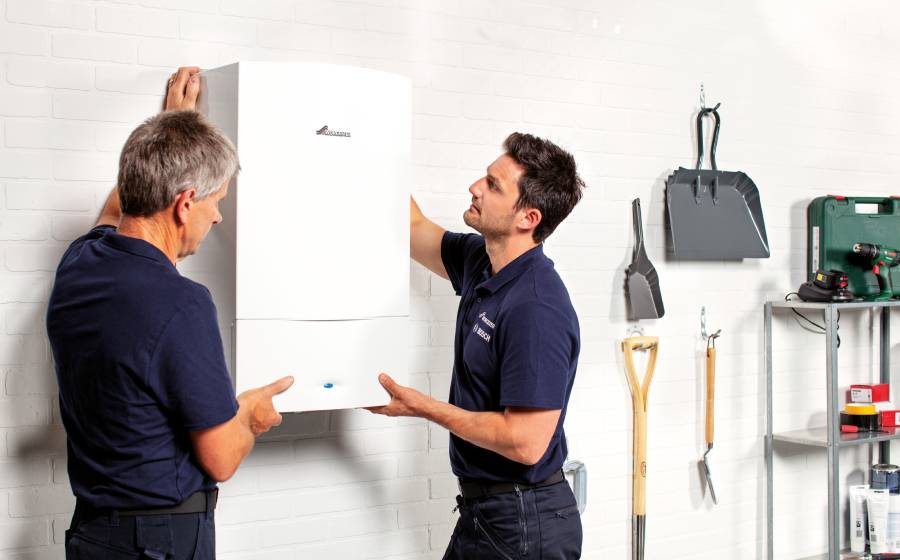
Routine maintenance and checkups are key to preserving both effectiveness and security. Experts know what to look for during an yearly boiler safety inspection, such as deterioration or faulty safety devices. Proper troubleshooting also entails diagnosing issues like low water pressure or strange sounds from the boiler. Tackling these concerns promptly not only ensures compliance with regulatory requirements but also prevents costly repairs and extends the operating life of the heating system.
Safety Inspections and Maintenance
Routine safety inspections play a vital role for ensuring the operational integrity of a boiler system. Professionals conduct yearly safety inspections to identify potential hazards and ensure that all components are functioning correctly. They examine for leaks, evaluate safety valves, and review the overall condition of the system. Ensuring that these inspections are performed diligently helps prevent accidents and ensures compliance with local safety regulations.
Maintenance plays a crucial role in maximizing the lifespan of a boiler. Key tasks include descaling, cleaning, and monitoring water chemistry to stop internal corrosion. Effective treatment of boiler water chemistry and treatment minerals can greatly lower the risk of damage from hard water scale accumulation, which diminishes energy efficiency. Prompt maintenance also involves troubleshooting common issues including water pressure drops and noisy operation due to multiple faults.
Focusing on routine maintenance not only helps in compliance with safety codes while also enhances energy efficiency, considerably lowering operational costs. When maintenance is ignored, boilers may suffer from short-cycling, leading to unnecessary wear and tear. Instructing building managers on the importance of preventative maintenance and its impact on boiler performance makes certain that systems are kept in optimal condition, ultimately encouraging a safer environment for all occupants.
Types of Boilers and Systems Overview
When it comes to picking the right boiler for your needs, it is essential to grasp the various types that exist on the market. Boilers can generally be classified into 3 main types: natural gas, oil, and electric. Gas boilers are favored for their high efficiency and lower operating costs, making them a common choice in numerous commercial environments. Oil boilers, while less common today, are still utilized in areas where natural gas is unavailable. Electricity-based boilers, on the other hand, are becoming popular for their minimal emissions and ease of installation, especially in lesser buildings.
Among these types, there are also specific systems to think about, such as combination boilers and system boilers. A combi boiler delivers both heat and hot liquid directly from the unit, eliminating the need for a different storage tank. This space-saving system is perfect for limited spaces and smaller properties. Conversely, standard boilers, which necessitate a storage cylinder for storing hot water, can handle greater heating demands and are better suited for multiple family properties or larger commercial institutions where high water output is required.
Grasping the distinctions between condensing and standard boilers is also important, as it impacts energy efficiency and operating costs. High-efficiency boilers recover additional heat from exhaust fumes, thus providing higher efficiency than non-condensing models. Selecting read and system is vital for optimizing power use, ensuring security, and fulfilling the heating needs of your facility effectively.